
Machine Learning for Cooling System
Machine Learning Optimization for Cooling Systems and Sensible Thermal Storage
Overview
In this simulation, we developed an innovative approach to optimize electricity consumption in building cooling systems. The project integrates advanced machine learning techniques with a sensible cold thermal storage system to intelligently manage energy use based on predictive analytics.
Objectives of the Project
- Optimize the cooling system to reduce electricity costs.
- Balance cooling supply with varying building demands and electricity prices.
- Leverage predictive modelling to forecast future cooling requirements effectively.
Highlights of the System (without revealing detailed methodology)
Our system employs a smart decision-making model that assesses three key parameters:
- Building Cooling Demand: Identifying when cooling demand peaks.
- Variable Electricity Pricing: Taking advantage of fluctuating energy rates.
- Thermal Storage Capacity: Managing stored cooling energy efficiently.
By intelligently deciding when to store energy or use it directly, our system minimizes operational costs and enhances overall efficiency without compromising user comfort.
Basic Workflow (generalized)
- A simple dataset containing past cooling demand, outdoor temperature, and electricity prices is used.
- A machine learning model predicts upcoming cooling needs based on historical data.
- Cooling equipment and thermal storage are managed in real-time according to these predictions.
Example of Simple Code Components (Non-critical)
- data = pd.read_excel(file_path)
- if not all(column in data.columns for column in required_columns):
- raise ValueError(“Required columns missing.”)
- data.to_excel(“optimized_cooling_system.xlsx”, index=False)
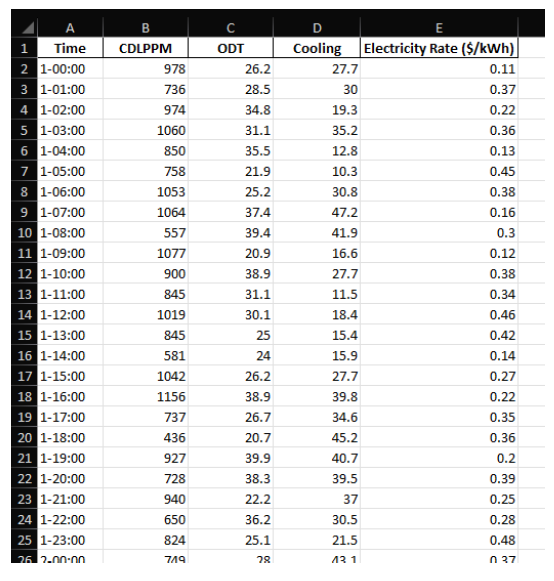
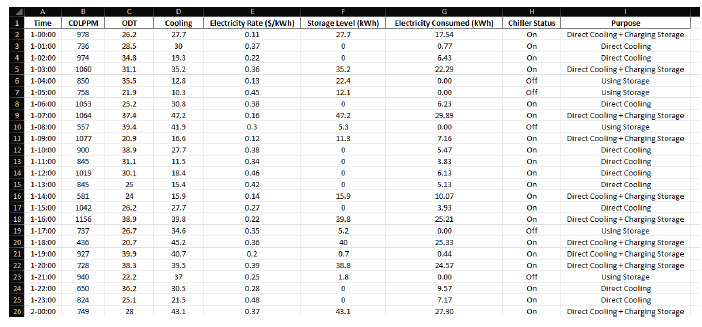
These basic operations ensure data integrity and facilitate result analysis without exposing the core optimization logic.
Project Benefits
- Significant reduction in electricity consumption.
- Enhanced system reliability through predictive control.
- Lower operational costs due to effective energy management.
This solution exemplifies how modern data-driven approaches can significantly enhance the energy performance of buildings.
for more Articles about Machine Learning see here