
Phase Change Materials
Erfan Haghighat Damavandi – Politecnico di Torino
Phase Change Materials (PCM): A Breakthrough in Thermal Energy Storage
Introduction
Phase Change Materials (PCM) are innovative substances that can store and release thermal energy by transitioning between solid and liquid phases. Unlike conventional materials, PCM utilizes the latent heat of phase change, making it highly efficient for thermal energy storage (TES) applications. With increasing demand for energy-efficient solutions, PCM is widely used in buildings, refrigeration, and temperature regulation. This article explores the working principle, types, advantages, and applications of PCM materials.
How Phase Change Materials Work
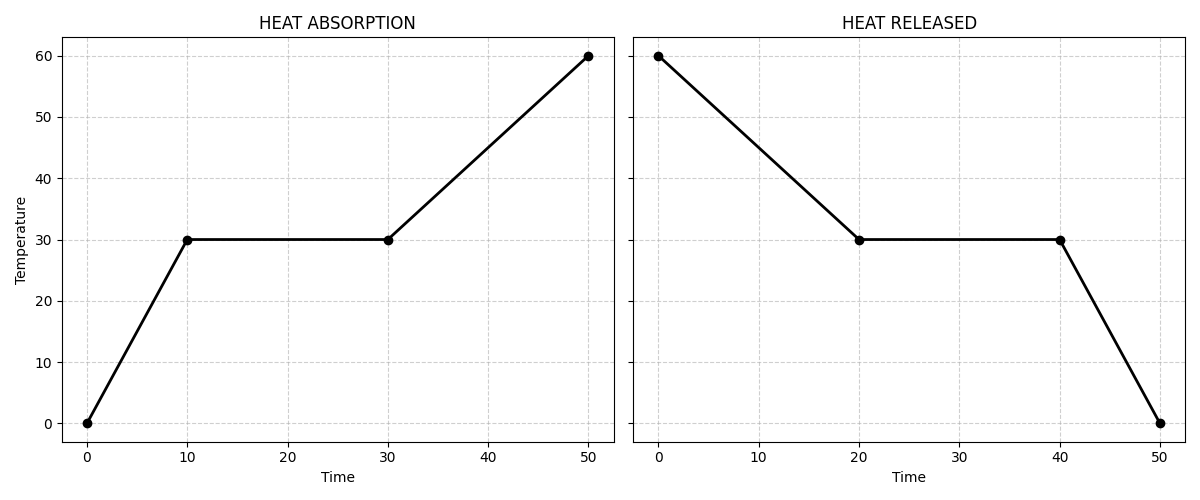
PCM functions based on the latent heat of phase transition. When exposed to rising temperatures, PCM absorbs heat and changes from solid to liquid, storing energy in the form of latent heat. Conversely, when the temperature decreases, PCM releases the stored heat as it solidifies, providing consistent temperature regulation.
Key Benefits of PCM Over Conventional Materials:
- Higher energy density: PCM stores significantly more energy compared to air or water-based thermal systems.
- Minimal temperature fluctuation: PCM absorbs/release heat while maintaining a nearly constant temperature.
- Sustainable energy utilization: Reduces energy consumption by optimizing heat storage and release.
Types of PCM Materials
PCM materials are categorized based on their melting temperature:
- Low-Temperature PCM (< 0°C): Used in refrigeration and cold storage systems. Examples:
- Water & Ice
- Hydrated salts
- Medium-Temperature PCM (0°C – 100°C): Common in building insulation and solar heating. Examples:
- Paraffin wax
- Fatty acids & Eutectic mixtures
- High-Temperature PCM (> 100°C): Applied in industrial heat recovery and geothermal storage. Examples:
- Metallic alloys
- Molten salts
Advantages of PCM for Energy Storage
PCM materials offer several key benefits that make them ideal for thermal management systems:
✔ High Energy Density – PCM can store a large amount of heat in a compact volume. ✔ Enhanced Thermal Conductivity – Enables efficient and fast heat transfer. ✔ Eco-Friendly & Non-Toxic – Safe for use in commercial and residential applications. ✔ Durability & Longevity – PCM materials can sustain multiple phase transitions without degradation. ✔ Reduces Energy Costs – Helps cut down electricity consumption by optimizing energy use.
Top Applications of PCM Technology
PCM has diverse applications in energy-efficient solutions, from green buildings to industrial systems:
1. Thermal Energy Storage (TES)
PCM is widely used for thermal storage in solar power plants, HVAC systems, and refrigeration. It enables load shifting by storing heat during off-peak hours and releasing it during peak demand.
2. Temperature Regulation in Electronics & Automotive
PCM helps prevent overheating in electronic devices, batteries, and automotive cooling systems. It maintains an optimal temperature range, enhancing performance and longevity.
3. Heat Recovery & Sustainable Energy Systems
PCM enables efficient heat recovery in waste heat management, geothermal energy, and industrial furnaces. By storing excess heat and reusing it, PCM improves overall energy efficiency.
Conclusion
Phase Change Materials (PCM) are transforming the future of thermal energy storage. Their ability to store and release heat efficiently makes them indispensable in sustainable building designs, industrial applications, and smart energy solutions. As research progresses, PCM technology will continue to drive innovations in renewable energy and environmental sustainability.
Looking for more energy-efficient solutions? PCM-based systems offer a cost-effective and sustainable approach to thermal management. Stay tuned for the latest advancements in energy storage technologies!